
Sea of Stars
PlaydigiousRole Playing
4.3143.00 Reviews
- Version
- 3.0.60158
- Installs
- 10.00K
- Age Rating
- Everyone 10+
Screenshots
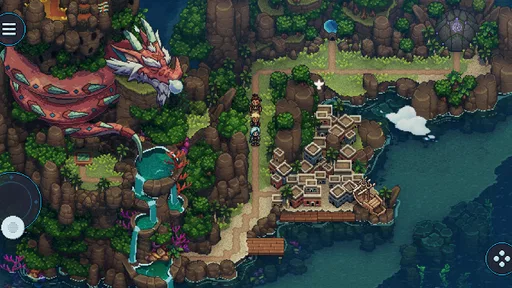
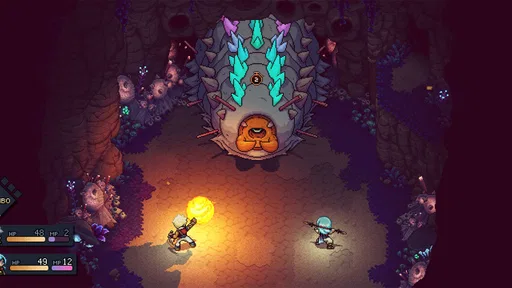
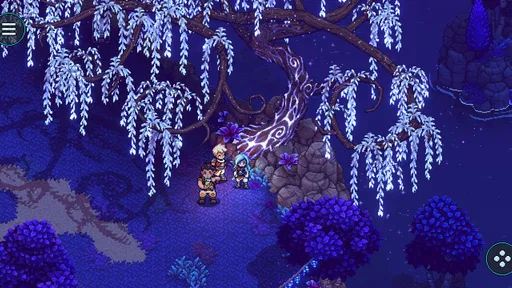
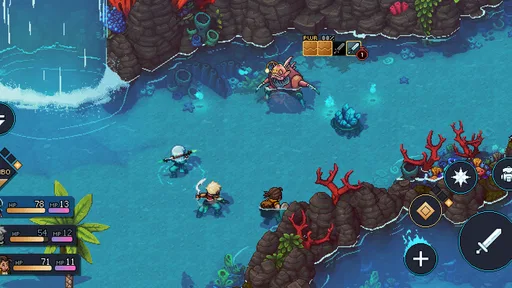
Our Review of Sea of Stars
 Analysis by Appyee
I came to Sea of Stars expecting a familiar kind of turn-based fantasy adventure, but what stayed with me most was how its art, sound, and deliberate pace work together. It is a role-playing game from Playdigious, built around a retro-inspired look without feeling like a dusty imitation. The pixel art gives the world a clear identity, while exploration and combat ask me to pay attention rather than rush through a checklist. That balance is the game’s strongest first impression—and also a useful way to decide whether it suits your mood.
Who will enjoy settling into this adventure
I’d recommend it most readily to someone who likes classic party-based RPGs and wants a world to explore at an unhurried pace. The appeal is not just nostalgia: its visual style and turn-based battles make it approachable, while timing and tactical choices add something to think about each turn. If you enjoy pausing between fights to look around, follow the story, and notice how locations feel different, this is a much better fit than a game designed around constant action.
It is less suitable if you mainly want short, self-contained sessions or immediate combat with little dialogue or exploration. The journey asks for attention, and a player who prefers a rapid sequence of fights may find its slower stretches frustrating. I would also choose another RPG if I wanted a sprawling simulation full of systems to manage. Here, the pleasure is in the crafted journey and its mood, not in overwhelming the player with complexity.
A practical way to fit it into a day
On an ordinary evening, I’d treat it as a game to play in a focused stretch rather than something to keep half-open while answering messages. A good session can mean exploring a new area, taking in its details, and getting through a handful of encounters; stopping at a natural break makes it easier to remember what the story is asking of you next. When I have only a few minutes, I’d avoid beginning a major story sequence and instead use the time to revisit a familiar part of the adventure or finish a small bit of exploration.
That approach matters because the game’s appeal relies on continuity. Its scenery, music, and character moments build a sense of place over time, so frequent interruptions can weaken the effect. I found that giving it a little uninterrupted attention made the journey feel more coherent than trying to squeeze it into every spare moment.
A Journey Through Time and Stars
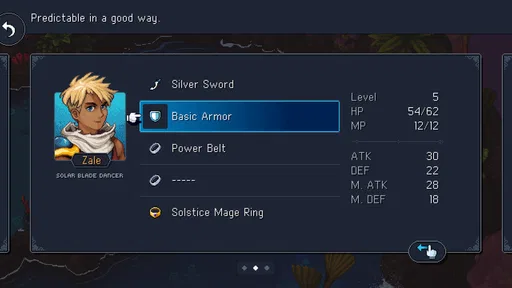
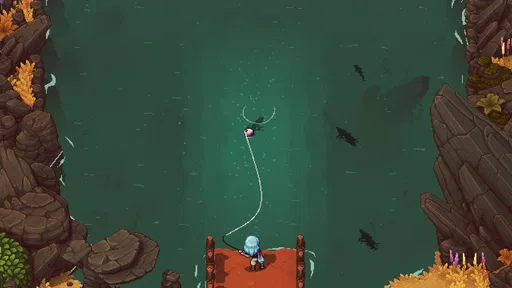
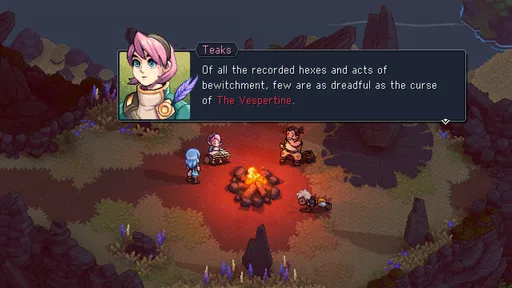
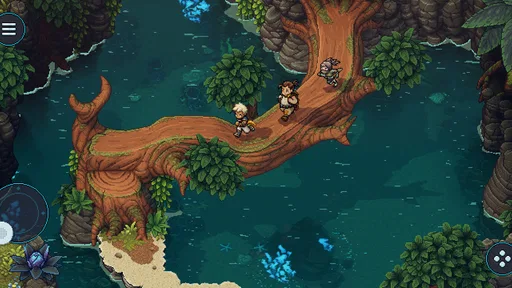
The first thing that struck me about Sea of Stars is its stunning pixel art. It’s like a warm hug from the past, with visuals that are both vibrant and enchanting. It feels like each pixel has been meticulously placed to create a world that is both immersive and full of life. The attention to detail is just mind-blowing.
The game kicks off with a storyline that pulls you right in. You play as two Children of the Solstice who have the power to combine the magic of the sun and moon. Together, they embark on a quest to fend off an evil alchemist and save their world from impending doom. Sounds epic, right? Well, it is! The narrative is rich, with twists and turns that keep you on the edge of your seat.
Gameplay That Hits the Right Notes
Now, let’s talk gameplay. What makes Sea of Stars stand out is its seamless blend of classic turn-based combat with some innovative twists. The game introduces a dynamic combo system that requires timing and strategy. Trust me, pulling off a perfectly timed combo is immensely satisfying!
Exploration is another big part of the game. The world is vast and filled with secrets waiting to be discovered. Whether you’re climbing cliffs or sailing the seas, there's always something new around the corner. The game encourages you to take your time, soak in the scenery, and uncover the hidden treasures scattered throughout.
Learning the rhythm of its battles
The timing element gives encounters a more active feel than the menu-driven battles I associate with older console RPGs. I found it useful to treat each turn as a small decision rather than simply choosing the strongest-looking action: watch for opportunities to time attacks well, consider when a combo is worth setting up, and avoid spending every turn on autopilot. The satisfaction comes from being attentive, not from needing to memorize a complicated rulebook.
That also creates a trade-off. If you want combat to run in the background while you focus on a podcast or another screen, the timing asks for more attention than a purely passive turn system. On the other hand, players who find traditional battles too hands-off may appreciate having a reason to stay engaged between decisions. I would not mistake this for an action game, though; the strategic, turn-based structure remains central.
For exploration, I’d resist the urge to sprint directly from one objective to the next. When a route opens up, looking around and trying the paths that seem less obvious is part of the reward. A practical habit is to pause at a new landmark and scan the surroundings before moving on; the game’s scenic spaces invite curiosity, and hidden finds are easier to miss if you treat every area as a corridor. The payoff is not just collecting things—it is letting the world’s geography become memorable.
Soundscapes That Transport You
And oh, the music! The soundtrack is nothing short of magical. Composed by the legendary Yasunori Mitsuda, it’s the kind of music that sticks with you long after you’ve put the game down. Each track perfectly captures the mood of the moment, enhancing the overall experience tenfold. Close your eyes, and you can almost feel the adventure.
How the presentation shapes the pace
The art and music are most effective together. Bright, carefully composed pixel scenes give locations their own visual character, while the soundtrack helps the journey feel more contemplative than a sequence of battles and errands. I noticed that this presentation encourages me to linger: the scenery is easy to read, but it still rewards a closer look, and a change in the sound can make moving into a new stretch feel like a meaningful transition.
That cohesive mood is a real strength, but it also sets expectations. Someone looking for gritty realism or a deliberately muted visual style may not connect with the colorful, nostalgic presentation. Likewise, if you usually mute game music, you can still follow the adventure, but you would be setting aside one of the elements that gives its quieter moments their emotional shape. I’d use headphones when I can, especially when I want to focus on the atmosphere rather than play with other audio competing for attention.
Crafting Your Own Legend
Another feature that I absolutely love is the crafting system. It's simple yet rewarding. You can gather materials scattered across the world and use them to craft items that will aid you on your journey. It adds a layer of depth to the gameplay, allowing you to tailor your experience to your playstyle.
The characters you meet along the way are also a highlight. Each one is uniquely crafted with their own backstory and personality. Building relationships with these characters adds an emotional layer to the game, making each victory feel personal and each loss hit harder.
Small choices that make a playthrough smoother
I’d think of crafting as a useful reason to pay attention to what exploration turns up, rather than as a separate project that needs constant optimization. Picking up materials as I travel gives those detours a practical purpose, and making items when they are useful keeps the system from becoming busywork. Players who enjoy collecting everything may naturally spend more time gathering, but someone who prefers to move along can focus on the materials encountered on the way.
Similarly, the party and its relationships are easier to appreciate when I give dialogue and story moments room to land. If I rush through every exchange to reach the next battle, I lose some of the personal texture that makes victories feel connected to the people involved. This is a story-led adventure, so the best pace is not necessarily the fastest one; it is the pace at which I remain interested in both the next encounter and the characters moving toward it.
How it compares with other role-playing games
Compared with a large open-world RPG, this feels more guided by its crafted route and mood than by the promise of endless activities. Compared with a traditional, mostly menu-based retro adventure, the timed combat actions offer a more involved turn-by-turn rhythm. That middle ground is why I think it can appeal to both players revisiting classic RPG conventions and newcomers who want those conventions to feel more hands-on.
There is a clear preference built into that design: it favors a considered journey over a sandbox packed with unrelated diversions. If you want to build a character through a huge web of systems or spend most of your time improvising your own goals, another role-playing game may serve you better. If you want a coherent fantasy trip where exploration, combat, and presentation support one another, this is a more compelling choice.
Practical details before you begin
The game is listed at $9.99, so I’d approach it as a paid, full-length adventure rather than a free game to sample casually. Its age guidance is Everyone 10+, and it has an average rating of 4.5 from around a thousand ratings, with over ten thousand installs. Those figures give a sense of its audience, but the more important question for me is whether you enjoy its particular mix of story, exploration, and attentive turn-based combat.
It was released on March 23, 2026, and its current version is 1.1.60013. The minimum operating-system requirement is Android 9. Before buying, I’d check that your device meets that requirement and that you are in the mood for a substantial, story-focused RPG; the price makes more sense when you expect to spend time exploring rather than looking for a quick diversion. Playdigious is the developer, and the game’s role-playing focus is evident in how strongly it ties its battles and exploration to the unfolding adventure.
A Few Final Thoughts
In a world where gaming can sometimes feel like a fast-paced race, this adventure invites you to slow down, explore, and savor every moment. It’s more than just a game; it’s an experience. Whether you’re a fan of classic RPGs or just looking for a new adventure, this game is a must-play.
So, grab your controller, embark on this epic journey, and let the stars guide you. You won’t be disappointed!
My atmosphere verdict
What I value most is the way the visual style, soundtrack, setting, and measured pace feel like parts of the same plan. The battles keep the journey interactive, exploration gives the scenery room to matter, and the characters help the story feel more personal than a string of destinations. I would not recommend it to everyone: players who want brisk action, a highly flexible sandbox, or a game that works best in tiny distracted bursts should look elsewhere. But if you want a thoughtful fantasy RPG that rewards attention without making its systems feel like homework, I think it is an easy one to settle into.
Verdict
Strengths of Sea of Stars
- Stunning pixel art graphics.
- Engaging turn-based combat.
- Rich, immersive storyline.
- Memorable character design.
- Dynamic day-night cycle.
Limitations of Sea of Stars
- Limited multiplayer options.
- Somewhat linear progression.
- Occasional frame rate drops.
- Resource-heavy on older devices.
- Can be challenging for beginners.
Other Releases by Playdigious
View All


Similar Picks in This Category
View All
Hair Dye
CrazyLabs LTD4.4

Monster High™ Beauty Salon
CrazyLabs LTD4.5

Bus Simulator - Bus Games 3D
Jima Apps4.4

Flight Pilot: 3D Simulator
Wildlife Studios4.1


Super Stylist Fashion Makeover
CrazyLabs LTD4.4
Frequently Asked Questions
What is the main objective of Sea of Stars?
Sea of Stars is a turn-based RPG that focuses on storytelling and strategy. Players embark on an epic journey with two main protagonists, mastering their unique abilities to combat an emerging threat. The game emphasizes exploration, puzzle-solving, and engaging in dynamic battles, all set in a beautifully crafted fantasy world.
Is Sea of Stars available on both Android and iOS platforms?
Yes, Sea of Stars is available on both Android and iOS, making it accessible to a wide audience. This cross-platform availability ensures that users can enjoy the game on their preferred devices without missing out on any features or content.
What are the key features that make Sea of Stars unique?
Sea of Stars offers a rich narrative, stunning pixel art, and a dynamic combat system. The game features interactive environments, day and night cycles, and a rich soundtrack. These elements combine to create an immersive experience that stands out in the RPG genre, providing both nostalgia and innovation.
Are there any in-app purchases or ads in Sea of Stars?
Sea of Stars is designed to provide a premium gaming experience with no intrusive ads. While there may be optional in-app purchases for cosmetic items or expansions, they are not necessary to enjoy the full core experience of the game. This ensures a seamless and uninterrupted gameplay experience.
What age group is Sea of Stars suitable for?
Sea of Stars is suitable for a wide range of age groups, typically recommended for ages 10 and up. The game features strategic combat, complex puzzles, and a captivating story that can be enjoyed by both younger and older audiences. Parents can trust that the content is family-friendly and engaging.
Play our best games!


